Miriam Ruff's Blog Member of the National Association of Independent Writers and Editors
  • Home
  • About
  • Professional Profile
  • Portfolio

Support Your Ostomy with Proper Nutrition

January 30, 2026 Post a comment

If you’re going to have ostomy surgery, you may wonder what that means for you nutritionally. Nutrition plays a large role in both your recovery journey and your overall health.

Keep in mind that your digestive system has just suffered a major insult, and it’s not going to tolerate any fancy foods or even a lot of food for a while. Ease your way back into eating by opting for five or six small meals a day instead of three large ones, and make sure you drink plenty of water to help everything keep moving through the plumbing and prevent gas buildup. In addition, make sure you get enough protein, as your tissues need it to repair themselves.

For the first few weeks following your ostomy surgery, your digestive tract will respond best to simple and bland soft foods. Stay away from fried or spicy foods, alcohol, and raw fruits and vegetables. And any food you have to chew, make sure you chew it well, as that aids in digestion and takes the load off your gut.

Unless your doctor instructs you not to eat high-fiber foods, you’ll want to introduce them, but do so slowly and methodically, as they may trigger excess gas, as well as blockages in people with strictures (scarring that narrows the digestive tract). If you still have a colon, though, fiber is important in keeping the organ healthy. When you do introduce it, be sure also to drink plenty of water to prevent the food from getting stuck in the GI tract and to enable you to pass stool easily.

As you begin to introduce new foods, make sure to only add them one at a time. This will help you determine how your body handles each one and if any will cause gas, constipation, strange odors, or diarrhea. If you don’t tolerate the food, stop it immediately. It doesn’t mean you can’t try it again at a later date; your GI tract may simply not be able to handle it so soon after the surgery.

A number of foods are notoriously hard to digest and can cause blockages in people with strictures, and sometimes even in people without them. These include:

  • Nuts
    Seeds
    Corn (especially popcorn)
    Dried fruit
    Pineapple
    Mushrooms
    Raw/crunchy vegetables

If you’re going to eat any of these, try only small quantities at first, chew well, and drink plenty of water. Popcorn, though, with its sharp hull and high fiber content, may cause gut distress or blockages even in people who don’t have strictures, so it’s best to eliminate it from your diet. There are varieties of puffed corn without hulls you can substitute; they’re found in most grocery stores.

If you’ve had an ileostomy, where the small intestine forms the stoma, you’ll be able to see a lot of what you eat in your pouch output. Since food passes through your GI tract so quickly, you incompletely digest a number of different foods. These include cabbage, celery, Chinese vegetables, corn, leafy greens, mushrooms, melons, fruit and vegetable skins, dried fruit, nuts, and seeds. As any of these may cause a blockage in the bowel, you shouldn’t introduce them into your diet for at least 4-6 weeks post-surgery, and then only in small amounts to see how you tolerate them. And even if you do tolerate them, they may not be completely digested before exiting the body as waste.

If you’ve had a colostomy, where the large intestine (colon) forms the stoma, drinking water and eating a lot of fiber are more important than with an ileostomy, as they help prevent constipation. Load up on bran products; fresh, raw, or cooked fruits and vegetables; warm beverages or soups; prunes and raisins; and whole grains.

No matter which type of ostomy you’ve had, you may also notice that certain foods, such as asparagus, beets, licorice, strawberries, and tomato sauce, will cause a color change in your stool or urine. While it may look like blood, it’s nothing to be concerned about; it’s just the colorant from the food.

You can cut down on your gas output by avoiding beans and lentils, cruciferous vegetables, cucumbers, onions, peas, pickled items, soy products, dairy products, and spicy foods.

If you do have gas buildup, you can take simethicone (generic Gas-X®) to help neutralize it, and you can eliminate any related odors with deodorant drops or tablets you put in your pouch (available at Amazon and other retailers) or with a pouch that has a built-in odor filter.

Finally, try to eat your meals — however many you have a day — at the same times each day. That will help you keep to a regular schedule for emptying and cleaning your pouch. Aim for emptying it when it gets about one-third full (so it doesn’t pull at and dislodge the adhesive barrier) and before bed (so you don’t have any leakages during the night).

Still have questions about ostomies and nutrition? Your best source of information is your ostomy nurse or dietician — they understand the requirements of ostomies and have the experience of what works best for each type of procedure. Many hospitals have ostomy clinics, where you can make an appointment to see one of these nurses (WCONs — wound, continence, and ostomy nurses), and many support groups are attended by WCONs, too. Check with the United Ostomy Associations of America (UOAA) to locate a group near you.

Categories: Ostomy

Valentine’s Day for Ostomates

January 22, 2026 Post a comment

Valentine’s Day is just around the corner, but if you’re a new ostomate, you may be dreading the day. Many people who have recently had ostomy surgery have self-image issues, including depression, shame about how their body feels and appears, and fear of pain, leakage, being naked with a pouch, and being rejected because of the changes to their body.

No matter how you feel, share those feelings with your partner, and be open and honest about what you’re going through. The more honest you can be, the more opportunity they’ll have to understand and to help you adjust to the new normal.

Ostomates can most certainly have happy and healthy sex lives. You may have to adjust your positions slightly, but you can experiment with what feels comfortable for you and feel satisfied with the results. Again, open communication with your partner is key to making the experience work.

It may help you feel more engaged if you empty your pouch before you hit the bedroom, so you won’t feel like it’s getting in the way. You can also change to a smaller pouch so it will move less and be less “obvious” to you. Your ostomy nurse can let you know what options are available to you.

Better yet, why not invest in clothing made especially for those intimate moments? SIIL Ostomy has a full line of apparel designed by ostomates for ostomates, so you know you’ll be getting what you need.

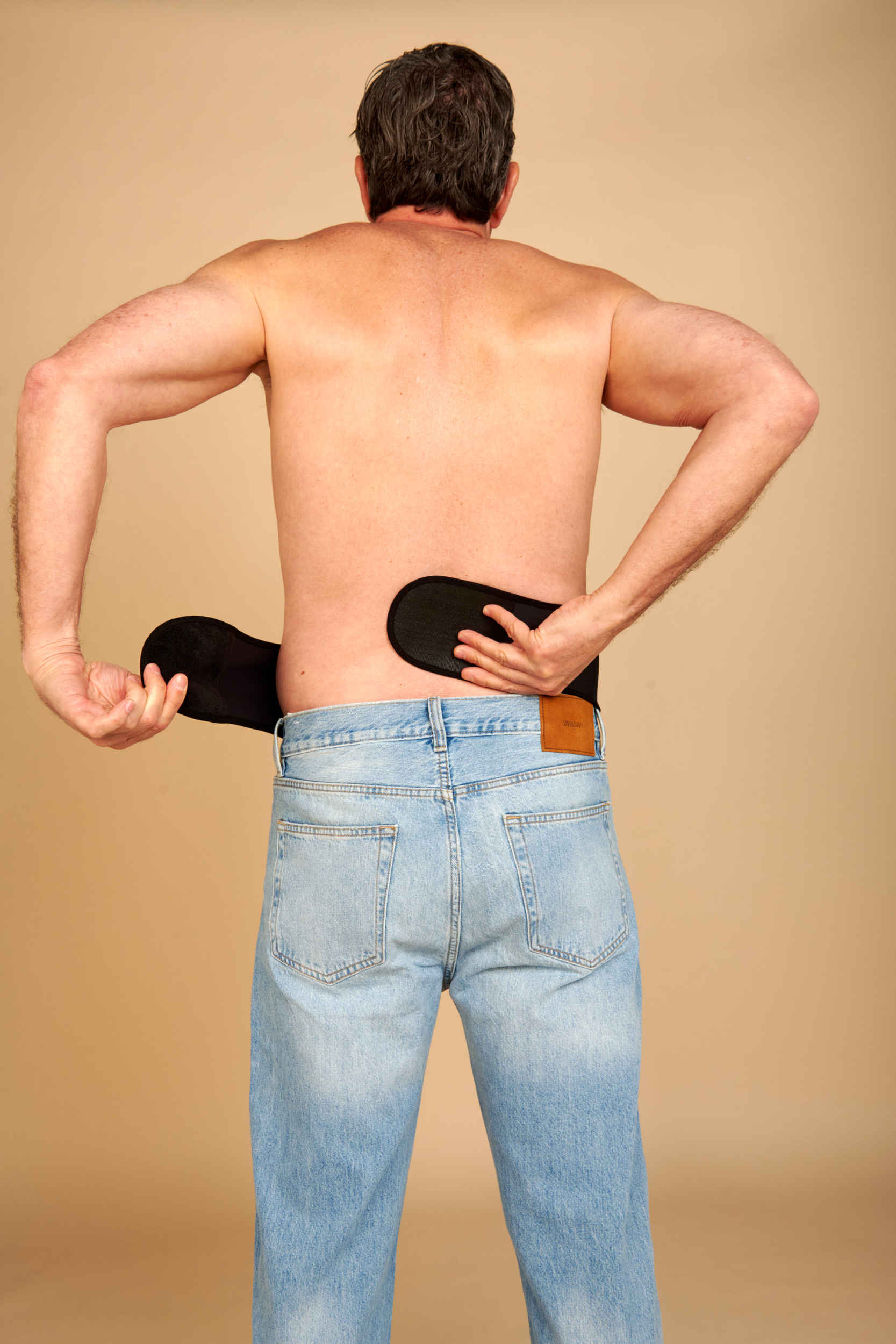
One thing you can try is an ostomy wrap. These soft and stretchy garments fit around your waist and offer gentle support, keeping your pouch stable against your body, so it doesn’t move or get in the way. Some styles even have a pocket in front to hold the pouch flat and provide a little extra support. You can wear these during intimate moments, knowing that you won’t have any leakages or other interference from your ostomy.

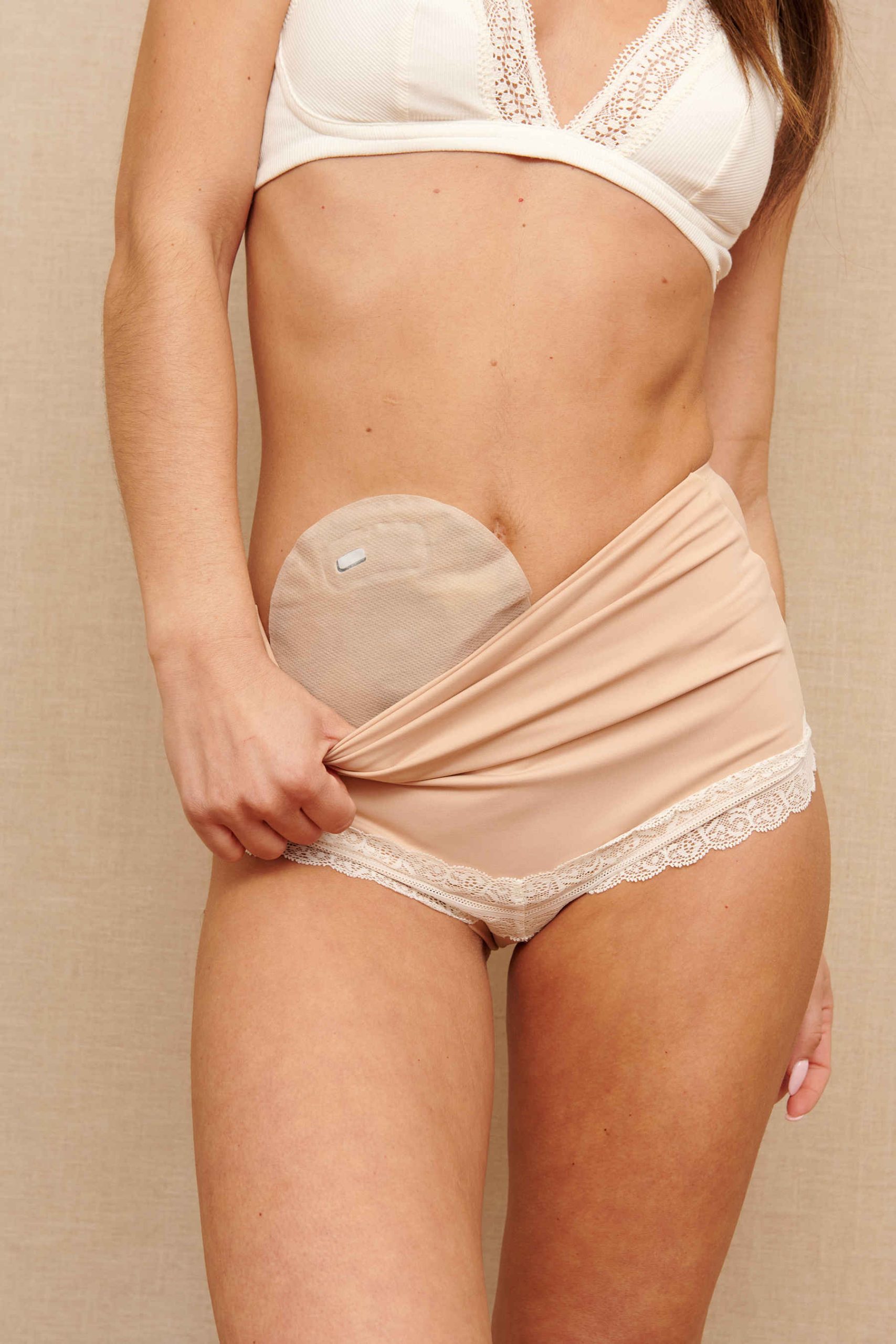
If you’re ready to take the next step, SIIL also offers ostomy lingerie to help you and your partner get in the mood. Whether you opt for a classic style or something with a bit of lace, the line consists of a wrap/panty combination with a unique opening in the intimate part that you can open and close at will, while still supporting the pouch. The lingerie offers all the advantages of a wrap with the look and needs for your most intimate moments.

No matter where you are in your ostomy journey, make this Valentine’s Day a special one with SIIL’s unique line of apparel. SIIL Ostomy is based in Madrid, Spain, but ships internationally. And their customer service is first-rate. If you ever have a question or a problem, let them know, and they’ll go out of their way to make sure you and your ostomy are well taken care of.


Full disclosure: Miriam Ruff is an ambassador for and an affiliate of SIIL Ostomy. She advocates for ostomates on their behalf.

Categories: Ostomy Tags: garments, lingerie, ostomate, ostomy, pouch, SIIL, Valentine's Day, wrap

Finding Support and Protection for Your Ostomy

January 9, 2026 Post a comment

Life shouldn’t stop because you have an ostomy. In fact, ostomies are often a second chance at living a full and productive life. That doesn’t mean, though, that you don’t need a little help along the way.

Stomas are delicate — they’re the point at which your intestines poke through the abdominal wall so that waste can exit your body. They don’t have any nerves, so they don’t feel pain, but they do have blood vessels and can become irritated and even bleed a little if you and/or your pouching system move too much, or an excitable pet jumps up and hits your belly, or someone hugs you too tightly.

The best thing you can do for your stoma and your peace of mind is to go for both support and protection.

SIIL Ostomy’s support belt offers stabilizes your pouching system by holding it against your body, giving it full support. It’s made of breathable organic spandex, allowing for superior comfort (it’s so comfortable, I forget I’m wearing it), and it comes in sizes from XS-3XL, so you can always get one to fit. It also supports pouching systems from all the major manufacturers. It’s even covered by most insurance plans as a medical appliance.

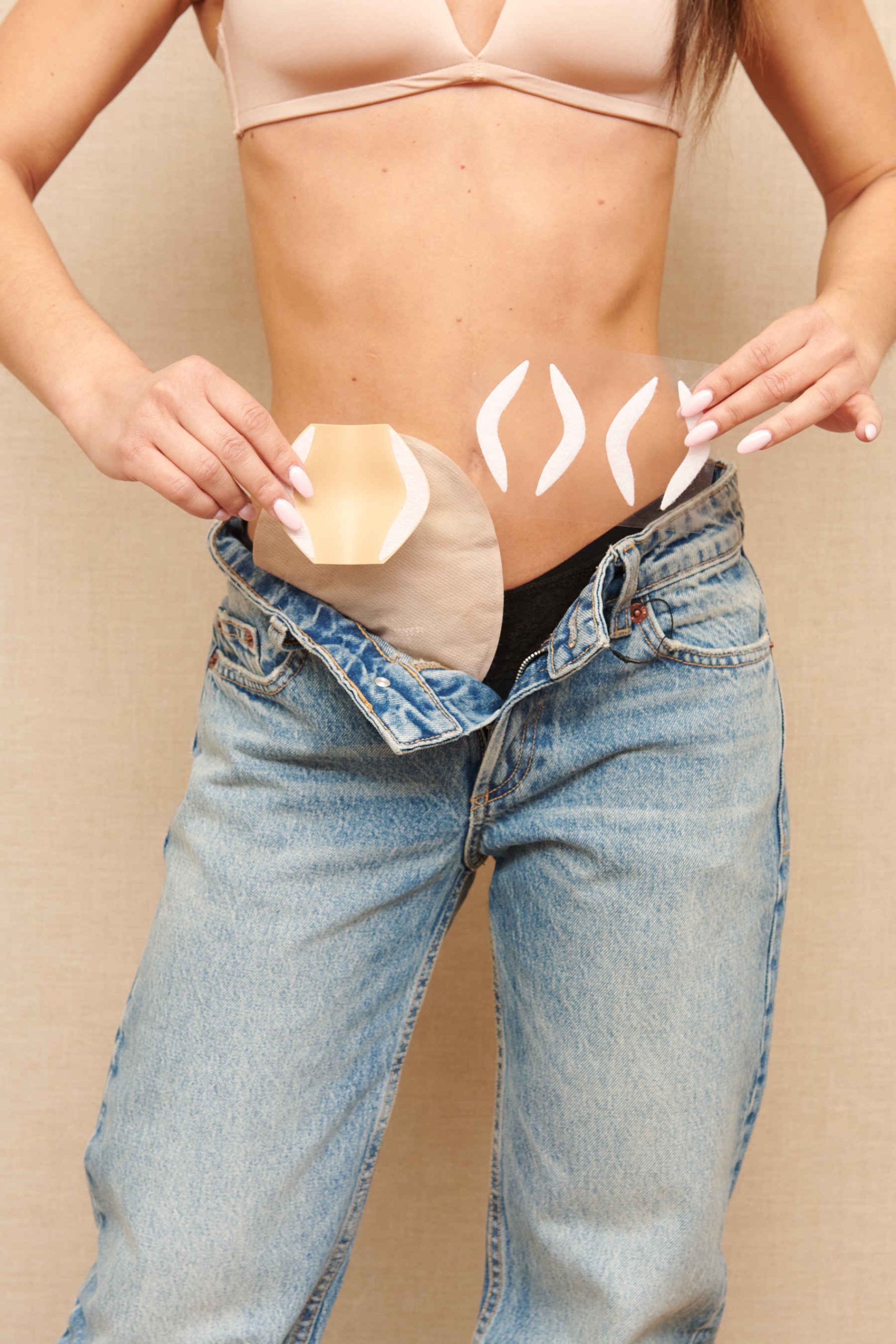
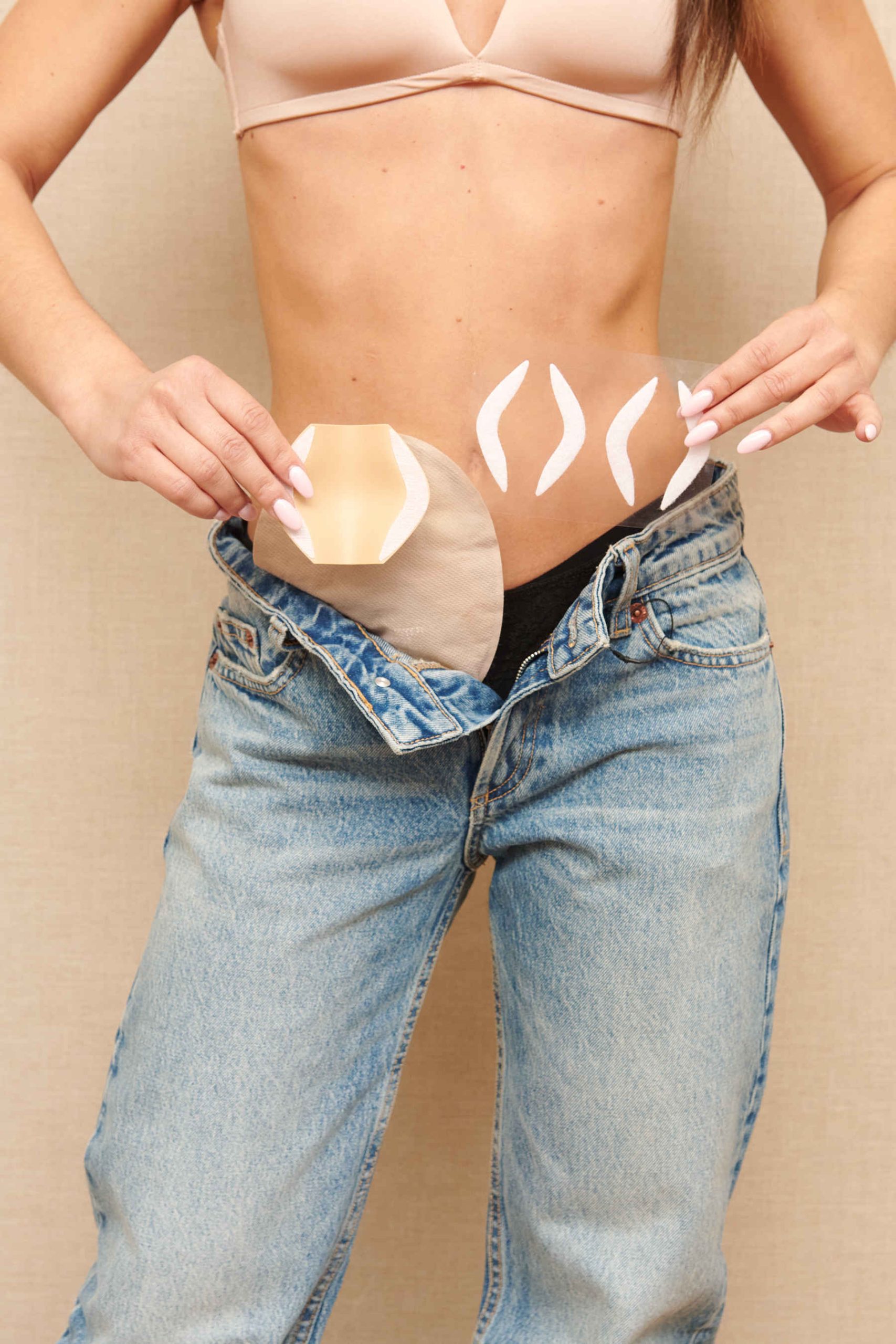
SIIL’s patented Stoma Protector® provides a hard shell that attaches to your pouch with Velcro® strips. With the protector in place, you don’t have to worry about energetic animals or kids accidentally pushing up against the stoma.

SIIL Ostomy is here to support and protect you along your ostomy journey. Let us know how we can help you live your best life.


[Full disclosure: Miriam Ruff is both an ambassador for and an affiliate of Madrid-based SIIL Ostomy. She advocates for ostomates on their behalf.]


Categories: Ostomy

Ostomates: Do You Want to Feel Supported this New Year?

January 2, 2026 Post a comment

An ostomy is a surgical procedure that reroutes part of the intestines outside of the abdomen so bodily waste collects in a pouch. While for patients with colon or bladder cancer or ulcerative colitis or Crohn’s disease this can be a life-saving surgery, for any ostomy patient it’s a life-changing one. It’s not uncommon for people to develop a negative self-image or feel that they’re not adequately supported.

SIIL Ostomy understands this feeling and is here to help address your concerns. The company was founded in 2019 by Elena Gea Garcia, to “support people living with ostomies who have long been overlooked by the mainstream fashion industry. Our mission is to help each and every person living with an ostomy around the world live better lives and regain their confidence.”

SIIL’s range of clothing, all designed by ostomates for ostomates, offers support at many levels. Their best-selling item, and an Amazon “Best Choice” product, is the ostomy belt. This unisex appliance fits under your clothing to comfortably support your pouch against your body. It employs a hook and loop fastener, breathable organic spandex that prevents redness and irritation, and it comes in sizes ranging from XS-3XL, so it’ll fit no matter what your size.

Another great support is the ostomy wrap. An ostomy wrap slides over your pouching system to support the pouch and hold it in place, reducing movement and related irritation. Some also have built-in pockets, offering additional support and leak protection.

A third option is the line of women’s panties. There are three designs for soft, feminine everyday underwear, all of which have an internal pocket to support the pouch and hold it in place. Women often choose ostomy underwear because it helps them reconnect with their bodies after surgery, providing emotional and physical support without compromising on femininity.

In addition, SIIL offers the Stoma Protector®, an appliance you place over your stoma that’s held to the pouching system with Velcro® stickers, to protect it from accidental bumps, eager animals, or the pressure of a seatbelt. While the stoma doesn’t contain any nerves, so it doesn’t sense pain, it can bleed if it gets irritated, so you want to protect it the best way you can.

Support comes in many forms, and knowing a company has got your back (or your ostomy) is a great way to help you on the journey toward self-acceptance and comfort. And if you ever have any questions or problems. their customer service is first-rate — every customer’s satisfaction matters, no matter where in the world they’re located.

If you’re not an ostomate but know one who can benefit from this information, please share the link with them.


[Full disclosure: Miriam Ruff is an ostomate who serves as an ambassador for and affiliate of Madrid-based SIIL Ostomy. She advocates for ostomates on their behalf.]

Categories: Ostomy

Ostomy Clothing and Appliances: What You Wear Matters

December 29, 2025 Post a comment

What you wear can affect your health, and that’s especially true if you’ve had an ostomy, a procedure that directs the body’s waste products through an incision in the abdomen to collect in a pouch outside the body. That’s why it’s important to be choosy about not just your clothing, but also your appliances, like ostomy belts. These belts help support your pouch and keep it securely placed against your skin, thereby preventing leaks, waste backups, and even hernias.

A number of companies are putting out ostomy belts made of polyester, a petroleum-derived product. While polyester has long been used for manufacturing clothing (think back to its heyday in the 1970s), it’s a problematic material. For starters, it doesn’t move with your skin, thereby creating friction and discomfort. It also doesn’t allow your skin to breathe, instead trapping heat and moisture under the material and allowing for a buildup of fungi and bacteria, which can lead to skin problems like itchiness, redness, and rashes. This holds especially true of delicate peristomal skin, the skin surrounding the stoma (the abdominal incision).

In addition, polyester sheds harmful plastic microfibers. In fact, it’s the single biggest contributor to microplastic contamination in our homes, environment, and inside our bodies. The fibers are small enough to be absorbed through the skin and make their way directly into the bloodstream. Benzene and BPA, both used to make polyester, are known carcinogens and hormone disruptors. Why should what you wear compromise your health?

The obvious choice is to go for a product that is body- and environment-friendly. SIIL Ostomy’s ostomy belt is made from 100% certified organic spandex. This medical-grade material is breathable, preventing overheating and allowing for air circulation. It’s also nontoxic, hypoallergenic, and dermatologically tested for comfort and safety with long-term use. And it moves with your body, so there’s no irritation or rash.

In addition, if you ever have a question or problem, SIIL’s customer service department is first-rate. They’re friendly, responsive, and ensure their customers’ complete satisfaction.

I used to use another manufacturer’s belt, but it was plastic-derived, restrictive, and uncomfortable, and I could never wait to take it off. Now that I have a SIIL belt, I find that once I put it on, I completely forget I’m wearing it — it’s that comfortable. And my peristomal skin remains clean and clear.

If you’re an ostomate looking for real-world solutions, the choice for an ideal belt is clear. If you know an ostomate who would benefit from this information, please share the link. Comfort, satisfaction, and safety should always be givens, and with SIIL, you know you’ll get all three.


[Full disclosure: Miriam Ruff is an ostomate who serves as an ambassador for and affiliate of Madrid-based SIIL Ostomy. She advocates for ostomates on their behalf.]


Categories: Ostomy

The Ins and Outs of Living with an Ostomy

December 19, 2025 Post a comment

Over 130,000 Americans have ostomy surgery every year, and it’s estimated there are about one million people in the US living with an ostomy. I’m one of them, but I don’t consider myself a statistic. I’m an ostomate, a person who has an ostomy. It doesn’t define me, it’s simply part of who I am. Don’t know what an ostomy is? You’re not alone.

An ostomy is a surgical procedure where the doctor reroutes part of the intestines or the urinary tract so it exits through an opening in your abdomen. Waste is excreted into an external pouch that you empty and change regularly. Such a procedure may be temporary or permanent, and some common conditions that may lead to the need for an ostomy are colorectal or bladder cancer, Crohn’s disease, ulcerative colitis, or colonic inertia (intestines have difficulty moving waste out of the body, leading to chronic constipation).

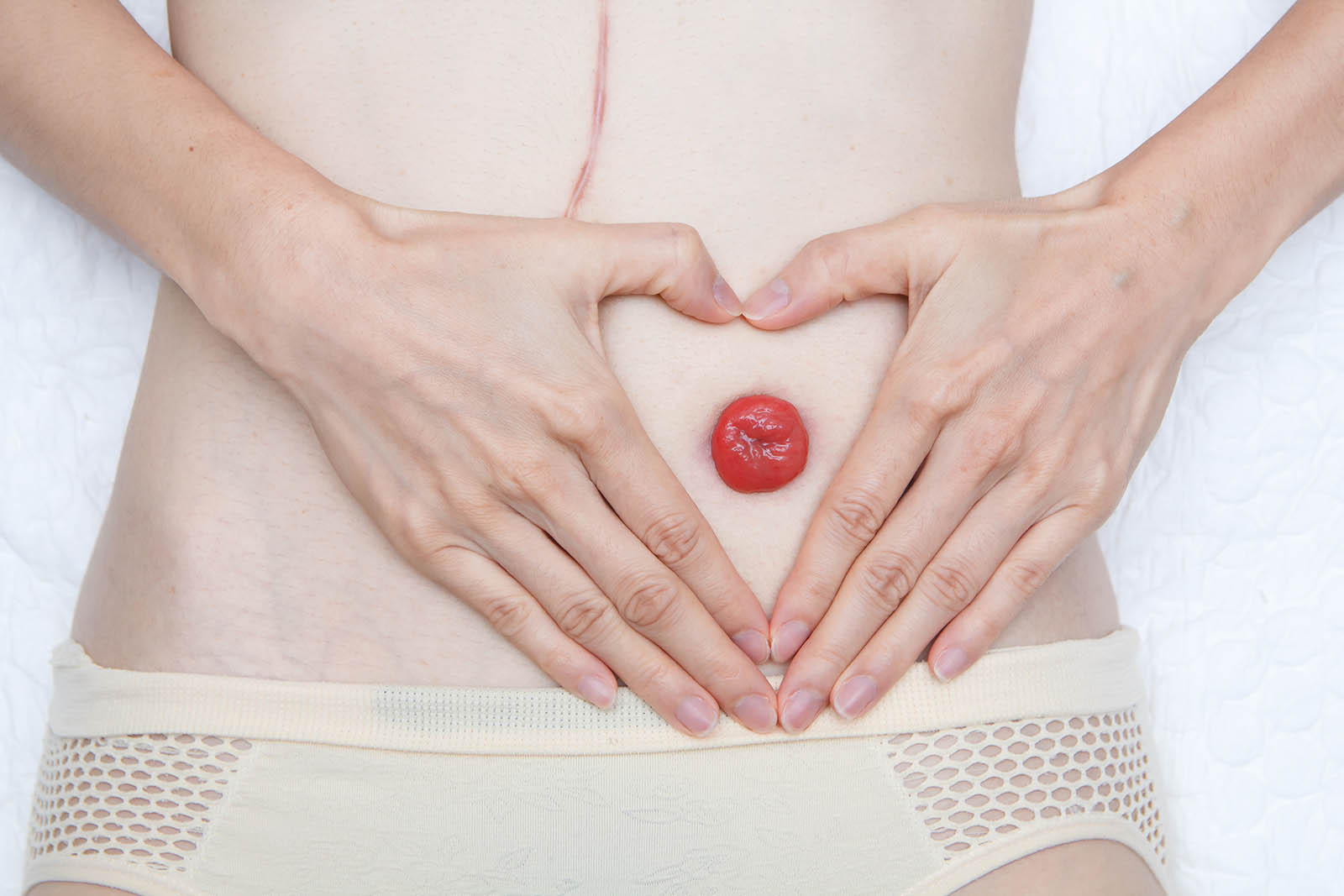
The spot where the inner organs exit the body is called a stoma, which looks a little like a rosebud. It has no nerve endings, so it’s not painful. However, it does have blood vessels, so you have to be careful not to chafe it, or it may bleed. The incision site does have nerve endings, so you may feel pain in the area following surgery, but that resolves over time.

Photo by United Ostomy Associations of America

Types of ostomies

There are a number of different types of ostomies:

Loop ileostomy
In this procedure, the surgeon pulls a loop of small intestine out through an abdominal incision, then opens it up and stitches it to the skin to form a stoma. This is a reversible procedure and is often used to give the intestines a chance to rest and heal from disease.

End ileostomy
The surgeon separates the ileum of the small intestine from the colon and brings it out through the abdomen to form a stoma. This is an irreversible procedure.

Colostomy
The surgeon directs a part of the colon out through the abdomen to form a stoma. A colostomy may be temporary or permanent, and it’s often done after bowel surgery or injury. Temporary colostomies usually bring the side of the colon up to an abdominal incision, while permanent colostomies connect the end of the colon to the incision.

Urostomy
A urostomy, also called an ileal conduit, is usually part of the surgery to remove your bladder (cystectomy), either due to bladder cancer or damage to the urinary tract. The surgeon forms the stoma by directing part of the tract out through the abdomen. This is an irreversible procedure.

Living with an ostomy

No matter which type of ostomy you have, you’re going to need some time to physically and emotionally get used to it, and everyone works through it at their own pace. You may face practical issues as you adjust to a new way of life that centers around being mindful of your pouch and its needs, such as when you need to empty it, how you control odor, and how you deal with sounds that emanate from the stoma and that accompany pouch movement.

You may ask yourself how or if this will impact your job, your ability to ride a bike or go for a swim, or interfere with a physical relationship. Will your stoma get in the way of daily activities? Will everybody be able to tell you’ve had the procedure?

You may also deal with emotional and mental concerns such as a negative body image, feelings of inadequacy, loss of self-esteem, and hesitation about intimacy, even if the ostomy doesn’t physically prevent you from having sex.

All of these are valid concerns, but you’re not alone in your journey, and there are things you can do to help make your life better.

WCONs (wound care and ostomy nurses)

Your first, most important point of contact is your ostomy nurse. They’re the one with all the practical knowledge you’ll need, from what type of pouching system is best for you to how often you’ll need to empty it to how and when you change it out. They’ll walk you through the process before you ever leave the hospital, ensuring that you’ll be good to do it on your own once you’re discharged.

They also have great advice for how to keep your peristomal skin (the abdominal skin around your stoma) healthy and free of irritation from the barrier that holds the pouch in place and the acids in the output. Draw up a list of questions to ensure you cover everything you need to know, including which foods are good and which you need to avoid. This varies from one person to another, as your underlying condition may inform what you can and can’t eat. The type of ostomy will also affect the speed at which food moves through your system.

Many hospitals also have outpatient clinics staffed with WOCNs, so if you run into a problem outside of the hospital, you can schedule an appointment with one of those. The nurses there can also check that you’re maintaining your stoma well and that your technique for changing out the system is effective.

Odor

There’s no question the output from the stoma has a rather acrid and unpleasant odor, but most of the major ostomy companies, as well as places like Amazon, carry deodorizer tablets or drops you can use that can prevent it from escaping the pouch. And some pouches even have built-in filters that prevent the odors from getting out in the first place, so you never have to worry about someone noticing the smell.

Activities

As for activities, you’ll be able to do most, if not all, of the same things you did before your surgery; wearing a medical appliance doesn’t limit your ability to run, jump, go for a bike ride, or even go in the pool, if that’s what you want to do. The only things off-limit are sitting in a hot tub or going in a sauna, as the high temperatures can melt the plastic of the pouch.

I was sure, once I had my surgery, that I’d never be able to swim again, either because I couldn’t go in the water since the pouch might leak (it doesn’t) or because my ostomy would be extremely visible. Then I found out there are companies that specialize in designing clothing especially for ostomates. Whether it’s men’s trunks, a tankini, or a bikini, swimsuits (and other clothing) come with a discreet pocket in the front into which you slip your pouch, and the fabric holds it securely against your skin. No movement, no bulges, no leaks, no problems. And since the suits cover the entire pouch, no one can tell you have an ostomy unless you tell them.

The company with the biggest line of swimsuit options is unquestionably Madrid-based SIIL Ostomy, which serves the international community. All their suits (and their other clothing) are designed by ostomates for ostomates, so you know you’re going to get exactly what you need. Their range of sizes is also impressive — from XS to XXL — and they come in multiple colors, so you can pick out exactly what you want. They even have swimsuits for kids with ostomies.

In addition, they carry regular underwear (still with the same front pocket to hold the pouch); plain or lacy wraps to hold the pouch against you under regular clothing, so the pouch doesn’t move and make noise; and lingerie for more intimate moments. Yes, you can still have a healthy sex life with an ostomy; the key is being open and honest with your partner about how you feel and why. You may find you have to adjust your positions slightly to avoid putting undue pressure on the stoma, but it’s absolutely doable.

SIIL also carries a phenomenal support/hernia belt (ranked Amazon’s “Best Choice”). I’d been using a belt I got elsewhere, but it wasn’t really comfortable, and I could never wait till I got home and could take it off. When I tried SIIL’s belt, though, not only did it fit perfectly, but it was so comfortable I forgot I had it on! And unlike the popular “stealth belt,” which requires that you roll up the pouch to fit it in the belt, causing backups, the pouch in the SIIL belt lies flat against your skin, allowing for normal movement.

SIIL also provides world-class customer service. Their mission is “to help each and every person living with an ostomy around the world live better lives and regain their confidence. Through thoughtfully designed adaptive clothing, SIIL focuses on comfort, dignity, and freedom in everyday life. The most important thing we want people to know is that they are not alone. Even when large fashion brands forget the ostomy community, SIIL is always here, building a supportive and caring community where people can feel understood and confident again.” I love the look, fit, and security of the products I’ve bought, and when I had a problem with a shipment, they were right on top of it, making sure I got the product as quickly as possible.

The bottom line is that an ostomy doesn’t define who you are. You can be as active as you want to be, wear clothing that flatters you without worrying about the pouch showing, and be comfortable in your own skin. You can lead a full, normal, and happy life. And at the end of the day, isn’t that what we all hope for?


(Full disclosure: Miriam Ruff is an ambassador for and an affiliate of SIIL Ostomy. She advocates for ostomates on their behalf.)

Categories: Ostomy

Recent Posts

  • Support Your Ostomy with Proper Nutrition
  • Valentine’s Day for Ostomates
  • Finding Support and Protection for Your Ostomy
  • Ostomates: Do You Want to Feel Supported this New Year?
  • Ostomy Clothing and Appliances: What You Wear Matters

Categories

Monthly Digest

Meta

  • Log in
  • Entries feed
  • Comments feed
  • WordPress.org

Latest Posts

Support Your Ostomy with Proper Nutrition

January 30, 2026

Valentine’s Day for Ostomates

January 22, 2026

Finding Support and Protection for Your Ostomy

January 9, 2026

Ostomates: Do You Want to Feel Supported this New Year?

January 2, 2026

Ostomy Clothing and Appliances: What You Wear Matters

December 29, 2025

The Ins and Outs of Living with an Ostomy

December 19, 2025

Contact Us

  • 804-476-4484
  • P.O. Box 412
    Montpelier, VA 23192-0412
Facebook Instagram Linkedin twitter

© NAIWE. All rights reserved. Designed by My House of Design.